Source Metal Camper Bus Model for Events, Gifts, and Decor
Explore 30 listings for the metal camper bus model, featuring custom designs in silver, gold, and bronze. Buyers can compare specifications, customization options, and prices for sports events, souvenirs, and home decoration purposes; compare the available evidence and request quotations based on your requirements.
Key considerations
Products List


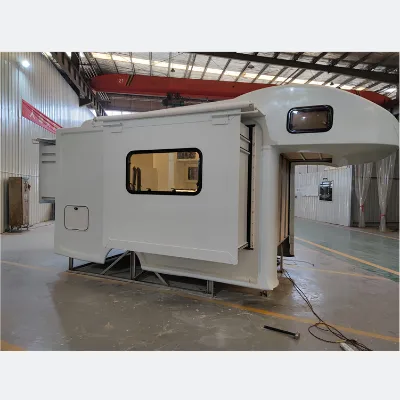


$44560.00 - $46660.00
Moq: 1


Comprehensive Sourcing Guide
Metal Camper Bus Model Sourcing Guide
Sourcing a metal camper bus model requires a nuanced understanding of the diverse product landscape available from global manufacturers. The market presents a wide spectrum of offerings, ranging from small-scale decorative metal car models to large, heavy-duty commercial vehicle components. Buyers must first distinguish between miniature replicas intended for souvenirs or art collections and full-scale structural elements like RV caravan body shells or trailer chassis. This distinction is critical because the engineering standards, material requirements, and regulatory compliance for a 1:18 scale die-cast model differ entirely from those of a fiberglass RV shell or a heavy-duty trailer frame.
Procurement teams should begin by defining the specific application of the metal component. Whether the need is for a universal car model souvenir, a customized business gift, or a functional part of a larger vehicle assembly, the sourcing strategy must align with the product's intended use. The observed listings indicate a high degree of customization availability, allowing buyers to tailor styles, colors, and techniques to their brand identity. However, this flexibility introduces complexity in quality control, as each customized variant may require distinct verification steps to ensure consistency and durability.
Product Scope and Observed Listing Signals
The current market signals reveal a broad price range, observed between 17 and 46,660 USD, reflecting the vast disparity between small metal replicas and large industrial vehicle parts. Minimum order quantities (MOQ) vary significantly, ranging from single units for custom prototypes to bulk orders of 100 pieces for standardized items. This variance suggests that buyers can engage in low-volume testing for high-value items like specialized camper bus shells or high-volume purchasing for decorative metal models. Understanding this range helps in budgeting and negotiating terms that fit the specific scale of the procurement project.
Product attributes indicate a strong emphasis on customization, with options for various styles such as simple, modern, creative, and classic designs. Colors are available in metallic finishes including silver, gold, copper, bronze, brass, and black, often achieved through techniques like carving, engraving, sandblasting, and printing. These manufacturing methods are applicable across different product types, from small car models to larger metal structures. Buyers should verify which specific techniques are used for their target product, as the durability and aesthetic quality of engraved or printed surfaces can vary greatly depending on the metal grade and finishing process employed by the supplier.
Technical Specifications to Verify
Technical verification must focus on the precise dimensions and material composition of the metal components. For smaller models, standard packaging dimensions such as 27x10x20 cm or 22x6x14 cm are common, while larger industrial parts may require container shipping with dimensions like 590x230x280 cm. Buyers must confirm the exact weight, loading capacity, and structural integrity of the metal used, especially for items like trailers or caravan shells. The presence of specific model numbers, such as Unique_Metal_car_Model_20250514003 or SZY5041XGCQ6, indicates that each product has a unique identifier that should be cross-referenced with technical datasheets to ensure compatibility with existing systems or designs.
Material grade and construction technique are equally critical for long-term performance. Products may be classified as medium or heavy duty, with some featuring fiberglass shells for RV applications and others being pure metal constructions. For metal camper bus models, it is essential to verify the thickness of the metal sheets, the quality of the welds, and the resistance to corrosion. The listed techniques, including engraving and sandblasting, should be evaluated for their impact on the structural strength of the final product. Buyers should request detailed engineering drawings or material certificates to confirm that the metal grade meets the required load-bearing and environmental resistance standards for the intended application.
Compliance and Safety Documentation
Compliance documentation is a mandatory requirement for any metal product, particularly those intended for vehicle integration or commercial use. The observed listings mention certifications such as ISO, CE, CCC, and ISO/TS, which indicate adherence to international quality and safety standards. Buyers must verify the validity and scope of these certifications, ensuring they cover the specific product type and manufacturing process. For instance, CE marking is crucial for products sold in the European market, while CCC certification is required for certain goods in China. These documents provide assurance that the metal components have undergone rigorous testing for safety, environmental impact, and manufacturing consistency.
In addition to product certifications, buyers should inquire about the warranty terms and after-sales support provided by the supplier. A standard one-year warranty is commonly offered, but the specifics of coverage, such as defects in material or workmanship, should be clearly defined in the contract. After-sales services, including online support, can be valuable for troubleshooting installation or maintenance issues. For complex metal camper bus models or large vehicle parts, having access to technical support can prevent costly downtime and ensure that any quality issues are resolved promptly. Buyers should also check if the supplier provides test reports or inspection certificates for each batch of production.
Cost Drivers and Commercial Terms
The cost of metal camper bus models is influenced by several key factors, including the complexity of the design, the type of metal used, and the level of customization required. Simple, mass-produced models will have lower unit costs, while intricate, hand-engraved, or custom-colored items will command a premium. The observed price range of 17 to 46,660 USD highlights the significant impact of these variables. Buyers should analyze the cost breakdown to understand how much of the price is attributed to raw materials, labor, and finishing techniques. This analysis can help in identifying areas where cost savings might be possible without compromising quality.
Commercial terms, such as payment methods, shipping arrangements, and lead times, also play a crucial role in the total cost of ownership. The use of carton or container packing affects logistics costs and handling requirements. Buyers should negotiate clear terms regarding delivery schedules, especially for customized orders that may have longer lead times. It is advisable to include penalties for delays and incentives for early delivery in the contract. Additionally, understanding the Incoterms used, such as FOB or CIF, will clarify who is responsible for shipping and insurance costs. Clear commercial terms help in avoiding hidden costs and ensuring a smooth procurement process.
Supplier Qualification and Quality Control
Supplier qualification is the first line of defense against procurement risks. Buyers should conduct thorough due diligence on potential suppliers, verifying their business licenses, manufacturing capabilities, and past performance. The origin of the products, often listed as Jiangsu, Shandong, or Weihai in China, can provide insights into the local industrial ecosystem and supply chain efficiency. Suppliers with a strong presence in these regions may have better access to raw materials and specialized labor. Buyers should also check for any negative feedback or legal issues associated with the supplier to ensure reliability and ethical business practices.
Quality control measures must be implemented throughout the production process to ensure that the final product meets the specified standards. This includes incoming material inspections, in-process quality checks, and final product testing. For metal camper bus models, visual inspections for surface defects, dimensional checks for accuracy, and functional tests for structural integrity are essential. Buyers should consider hiring third-party inspection agencies to conduct pre-shipment inspections, especially for large or high-value orders. Establishing a clear quality acceptance criteria and a process for handling non-conforming products will help in maintaining consistent quality and reducing the risk of receiving defective goods.
Long-Term Procurement Checks
Long-term procurement success depends on establishing a robust relationship with suppliers and continuously monitoring performance. Regular audits of the supplier’s quality management system and production facilities can help identify potential issues before they impact the supply chain. Buyers should also track key performance indicators (KPIs) such as on-time delivery rate, defect rate, and responsiveness to issues. These metrics provide objective data for evaluating supplier performance and making informed decisions about future orders. Maintaining open communication with suppliers can also foster collaboration and innovation, leading to improved products and services over time.
As market conditions and regulations evolve, buyers must stay informed about changes that may affect their procurement strategy. This includes updates to international standards, trade policies, and environmental regulations. For metal products, staying abreast of developments in sustainable manufacturing and recycling practices can help in aligning procurement with corporate sustainability goals. Buyers should also regularly review their supplier base to ensure it remains competitive and resilient. Diversifying suppliers and maintaining a pipeline of alternative sources can mitigate risks associated with supply chain disruptions. By proactively managing these long-term factors, buyers can ensure a stable and efficient supply of metal camper bus models.
FAQs
What customization options are available for metal camper bus models?
Customization is available for these metal car models to meet specific buyer needs. You can select from styles like simple, modern, or creative designs. Colors include silver, gold, copper, and black. The products support engraving and sandblasting techniques for unique branding on the metal surface.
Which certifications do the metal camper bus models hold?
The products hold ISOCCC and CE certifications for quality assurance. Some variants also carry CCC and ISO/TS certifications. These standards ensure the metal models meet international safety and manufacturing requirements. Buyers can verify these credentials when sourcing from suppliers in China.
How are the metal camper bus models packaged for shipping?
Packaging options include cartons and containers depending on the specific model ordered. Dimensions vary by product type, with some measuring around 590 by 230 by 280 centimeters. The packaging ensures safe transport of the new condition metal models during international logistics operations.
Can I order metal camper bus models with specific dimensions?
Yes, unique metal car models come in various standard dimensions like 27 by 10 by 20 centimeters. Other sizes include 22 by 6 by 14 centimeters or 28 by 13 by 20 centimeters. Buyers can choose the size that fits their display or souvenir requirements from the available list.
What is the warranty period for these metal car models?
A one-year warranty is provided for the metal car models to ensure product reliability. This coverage applies to the new condition items manufactured in China. Buyers should check specific terms with the supplier to confirm the exact scope of the warranty coverage.
Which techniques are used to craft these metal car models?
Crafting techniques include carving, engraving, sandblasting, and printing on the metal surface. These methods create detailed designs suitable for sports events, holidays, or business gifts. The metal craft ensures high-quality finishes for collectors and decorative purposes.
What is the minimum order quantity for metal camper bus models?
The minimum order quantity ranges from one to one hundred units depending on the supplier. Buyers can negotiate based on their specific needs for souvenirs or business gifts. The flexible MOQ allows small businesses to test the market with limited initial investment.